Your keys stay with you.
Only you control access to your wallet. A Trezor device is designed to keep private keys offline instead of leaving them exposed on an internet-connected device.
Keep your crypto keys offline and out of reach. Trezor hardware wallets make self-custody feel refreshingly simple.
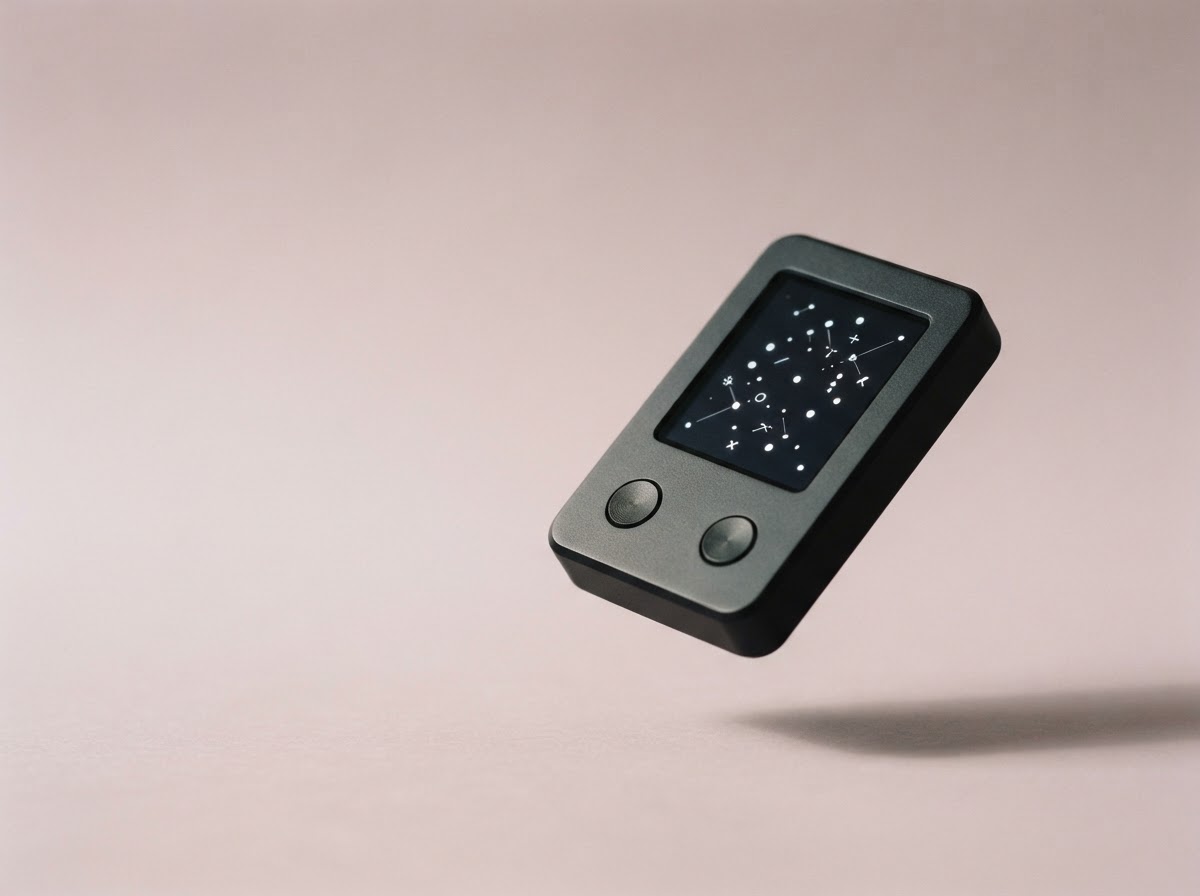
Your wallet keeps the keys to your crypto—not the coins themselves. Trezor stores those keys on a dedicated device, so signing a transaction happens with a clear view and your approval.
Only you control access to your wallet. A Trezor device is designed to keep private keys offline instead of leaving them exposed on an internet-connected device.
Review important transaction details on your wallet and confirm with the device. Your computer or phone can prepare a transaction, but it shouldn’t make the decision for you.
Trezor’s open-source approach invites independent review. Transparent, verifiable security is a stronger foundation than asking you to simply take someone’s word for it.
A hardware wallet helps protect your keys, but it can’t eliminate every risk. Keep your recovery backup private and secure.
Choose a device that fits the way you like to manage crypto—from everyday essentials to a vivid touchscreen experience.
Explore Trezor devices See current models and availability on Trezor’s official website.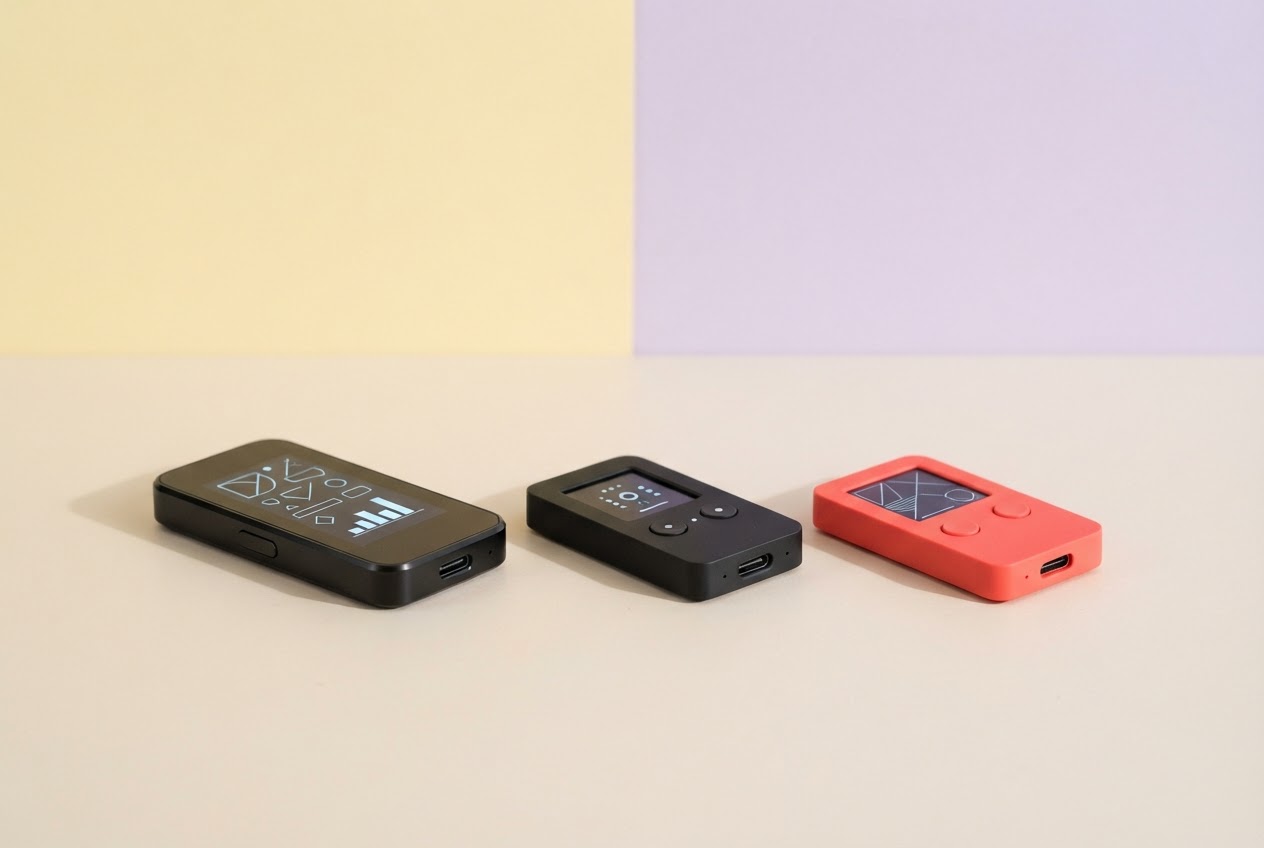
Intuitive buttons and the essentials for confident self-custody.
A vivid touchscreen for easier, clearer device interactions.
Explore available Trezor models and choose what suits your routine.
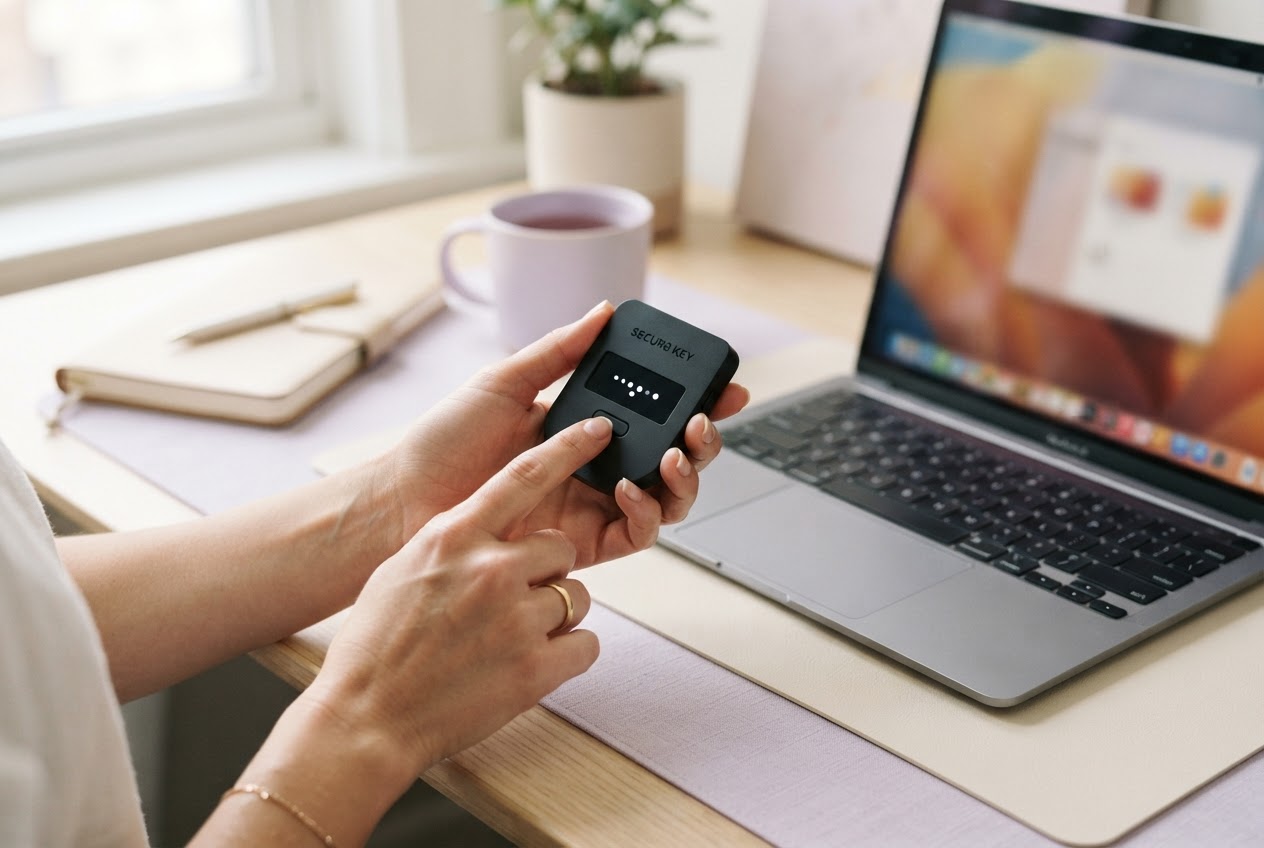
Self-custody doesn’t have to feel complicated. Start with the basics, take your time, and keep your recovery backup somewhere only you can access.
Follow the official setup guide and create a new wallet on your device.
Write it down offline. Never share it, photograph it, or enter it on a website.
Read the details on your device screen before you confirm anything.
A few useful things to know before you get started.
It’s a physical device that keeps your crypto private keys isolated from your everyday internet-connected devices. Your crypto remains on its blockchain; the wallet protects the keys you use to access and manage it.
No. Your crypto assets live on their respective blockchains. The Trezor wallet protects your private keys and lets you authorize transactions securely.
Your recovery backup can restore access to your wallet on a compatible device. Keep that backup private, offline, and protected from loss or damage. Anyone who gets it may be able to access your assets.
Use Trezor’s official website or an authorized reseller listed by Trezor. Buying from trusted sources helps reduce the risk of a tampered device.
Explore the Trezor approach to secure, simple self-custody.
Discover Trezor